
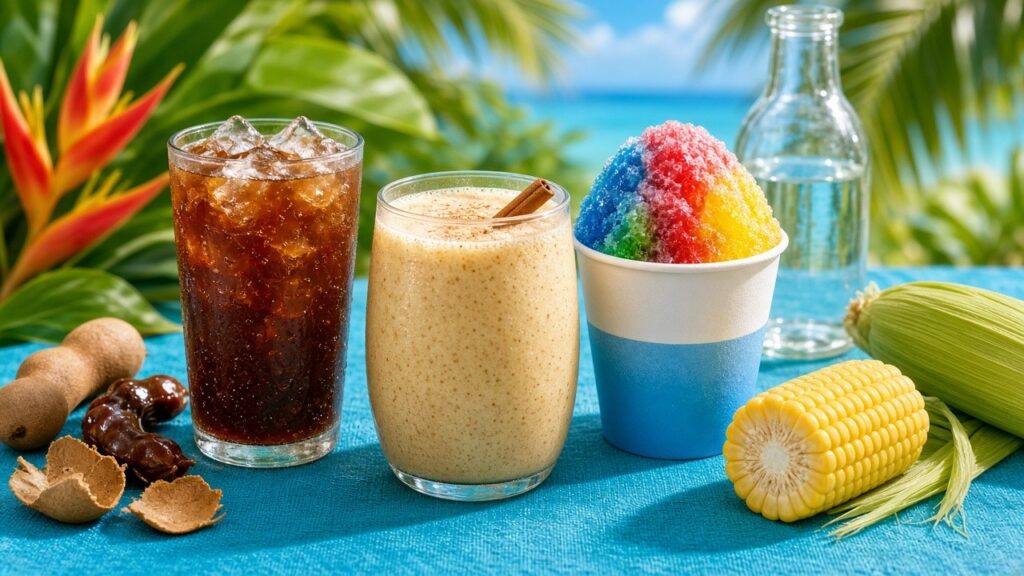
Ask a Panamanian about the national drink and you may get two answers in the same breath: seco for the grown-ups, and a cold glass of chicha for everyone else. Both are right, and together they tell you a lot about how Panama drinks.
Panama’s best-known national spirit is seco, a clear sugarcane spirit, with Seco Herrerano from Herrera province the most famous brand. Seco is often mixed with milk (seco con leche) or with lime and soda. For everyday drinking, though, the real national habit is chicha: fresh fruit drinks such as tamarindo, maracuyá, piña and naranjilla, served with meals. Corn-based chicheme, shaved-ice raspao, Panamanian coffee and holiday drinks like saril and ron ponche round out the picture.
Below you’ll find what each drink is, when people drink it and where to find Panamanian drinks if you live in the US.
What is the national drink of Panama?
Seco
Seco is a distilled spirit made from sugarcane juice, triple-distilled to a clean, light character. It is clear and smoother than many people expect from a cane spirit, which makes it easy to mix. Seco Herrerano, produced in the Herrera region on the Azuero Peninsula, is the brand most associated with the drink, and seco is widely called Panama’s national liquor.
Seco shows up at fiestas patrias, carnival, country festivals and family celebrations. It is a drink tied to the interior provinces and to music like the décima and the tamborito you’ll see at those events. If you’re curious about the dance side of a Panamanian celebration, read what is the tamborito dance.
The “national cocktail”
There’s no single official cocktail, but two seco drinks come up again and again:
| Drink | What’s in it | Character |
|---|---|---|
| Seco con leche | Seco and cold milk over ice | Creamy, mild, surprisingly smooth |
| Seco con limón (or seco sour) | Seco, lime, sugar or soda | Bright and refreshing |
| Chichita panameña-style mix | Seco with fruit chicha | Fruity party punch |
Seco con leche sounds unusual until you try it; the milk softens the spirit completely. It is still alcohol, so treat it like any mixed drink.
Popular Panamanian drinks without alcohol
Chichas: the everyday drink
In Panama, “chicha” usually means a fresh fruit drink: fruit, water and sugar blended or steeped and strained, served very cold. It’s on the table at lunch the way iced tea might be in the US South. (In other countries, chicha can refer to fermented corn drinks, so the word changes meaning across Latin America.)
Common Panamanian chichas:
- Tamarindo: tangy-sweet from tamarind pulp; brown and refreshing.
- Maracuyá: passion fruit, tart and fragrant.
- Piña: pineapple, sometimes made with the peel for extra flavor.
- Naranjilla (lulo): citrusy, slightly green taste.
- Guanábana: soursop, creamy and tropical; often made with milk.
- Melón and sandía: cantaloupe or watermelon for hot afternoons.
- Saril: the red holiday drink made from sorrel (roselle) calyces.
Chichas are lighter than juice because they’re diluted, and sweetness varies a lot between households.
Chicheme
Chicheme is a thick, sweet drink made from cooked white corn, milk, sugar, cinnamon and vanilla. It’s associated with La Chorrera, where it’s sold alongside bollos and chorizo. It drinks almost like a dessert. My full recipe is here: how to make Panamanian chicheme.
Raspao
A raspao is shaved ice drenched in colorful syrup and often topped with sweetened condensed milk and sometimes powdered milk. Vendors push carts through parks and plazas, scraping a block of ice by hand. It’s technically a treat rather than a drink, but on a hot day it does the job of one.
Panamanian coffee
Panama grows some of the world’s most celebrated coffee in the highlands of Chiriquí, around Boquete and Volcán. Geisha (also spelled Gesha) coffee from Panama has fetched record auction prices for its floral, tea-like flavor. Most everyday coffee in Panamanian homes is simpler: brewed strong, often with milk and sugar, sometimes alongside hojaldras at breakfast.
Other non-alcoholic favorites
- Batidos: fruit milkshakes, often papaya, banana or strawberry.
- Agua de pipa: fresh coconut water drunk straight from a green coconut.
- Malta: a sweet, malty, non-alcoholic soft drink.
- Chicha de arroz con piña: a rice and pineapple drink in some homes.
Popular Panamanian drinks with alcohol
Seco
Covered above. It’s the classic.
Ron ponche
Ron ponche is Panama’s holiday eggnog: milk, eggs, sugar, nutmeg, cinnamon and rum. It belongs to Christmas and New Year’s alongside tamales and fruit cake. See traditional Panamanian Christmas food for the full holiday table. Because it contains raw or lightly cooked eggs in some recipes, use pasteurized eggs or a cooked custard base and keep it refrigerated.
Rum
Panama produces well-regarded aged rums, including brands from the Pesé valley in Herrera. Rum is common in cocktails and holiday drinks.
Beer
Beer is the most common everyday alcoholic drink. Panamanian lagers such as Balboa, Atlas, Panamá and Soberana are widely available and served very cold. Light, crisp lager suits the heat.
A note on drinking responsibly: if you try seco or ron ponche, remember that sweet or creamy mixed drinks hide their strength. Drink water between rounds, never drink and drive, and keep alcoholic versions clearly separate from the kids’ chicha pitcher.
What Panamanians drink with meals
At a typical lunch, which is usually the main meal, you’ll see:
- A pitcher of chicha (tamarindo, maracuyá or whatever fruit is in season)
- Water
- Soda, especially with fast food or fried dishes
- Coffee after the meal or mid-afternoon
Alcohol at meals is more for weekends, parties and celebrations than weekday family lunches.
| Meal | Common drink |
|---|---|
| Breakfast | Coffee with milk, fresh juice |
| Lunch | Chicha, water |
| Afternoon | Coffee, batido, raspao on hot days |
| Dinner | Chicha, soda, water; beer on weekends |
| Parties | Beer, seco, rum, chichas for kids |
| Christmas | Saril, ron ponche |
Christmas drinks: saril and ron ponche
December brings two drinks you rarely see the rest of the year.
Saril is made from dried or fresh roselle (sorrel) flowers steeped with ginger, cloves, cinnamon and sugar. It’s ruby-red, tart and spicy, and served cold. Some adults spike it with rum. Dried sorrel is often sold as “flor de Jamaica” or “hibiscus” in US Latin and Caribbean markets.
Ron ponche is the rich, creamy rum punch described above, served in small glasses because it’s filling.
Where to find Panamanian drinks in Chicago (and the US)
- Latin grocery stores: frozen fruit pulps for tamarindo, maracuyá, guanábana, naranjilla and more. Pulp makes chicha easy: blend with water and sugar to taste.
- Caribbean markets: dried sorrel for saril.
- Liquor stores: Seco Herrerano is imported to parts of the US; availability varies by state. Larger stores or Latin-focused shops are more likely to carry it, and some will order it.
- Specialty coffee roasters: Panamanian coffees, including Geisha lots, appear seasonally.
- Panamanian restaurants and events: see Panamanian food in Chicago.
How to make a basic chicha at home
- Blend 2 cups fruit pulp or chopped fruit with 4 cups cold water.
- Strain if the fruit is fibrous or seedy.
- Sweeten gradually; start with 2–3 tablespoons sugar per quart and adjust.
- Add a squeeze of lime to brighten.
- Chill and serve over ice the same day for the best flavor.
For tamarind pods, soak the shelled pulp in hot water for 30 minutes, mash and strain before sweetening.
Chicha flavor guide: which one to try first
| Chicha | Taste | Sweetness needed | Best with |
|---|---|---|---|
| Tamarindo | Tangy, dark, a little sour | Medium-high | Fried fish, arroz con pollo |
| Maracuyá | Tart, perfumed | High | Ceviche, empanadas |
| Piña | Bright, juicy | Low-medium | Pork, rice dishes |
| Naranjilla | Citrusy, green, slightly bitter | Medium | Stews, sancocho |
| Guanábana | Creamy, tropical | Low (often with milk) | Afternoon snack |
| Melón | Mild, floral | Low | Hot days, kids |
| Saril | Tart, spicy, ruby red | Medium | Christmas dinner |
If you are new to Panamanian drinks, maracuyá and piña are the most familiar to American palates; tamarindo is the one many Panamanians call their favorite once you get used to its sour edge.
Common mistakes when making Panamanian drinks at home
- Over-sweetening. Many recipes online use far more sugar than home cooks do. Sweeten after tasting.
- Leaving fruit chicha out. Fresh fruit drinks spoil quickly; keep the pitcher refrigerated and finish it within a day or two.
- Using tamarind concentrate without diluting. Paste concentrates are very strong; start with a tablespoon per cup of water.
- Skipping the strain. Passion fruit seeds and pineapple fibers make the drink gritty.
- Serving seco drinks without a non-alcoholic option. Always keep a pitcher of chicha for kids, drivers and anyone not drinking.
Panamanian drinks at a glance
| Drink | Alcohol? | What it is | When people drink it |
|---|---|---|---|
| Seco Herrerano | Yes | Clear sugarcane spirit | Parties, festivals, with milk or soda |
| Seco con leche | Yes | Seco shaken with milk and ice | Country celebrations, carnival |
| Ron ponche | Yes | Creamy eggnog-style rum punch | Christmas |
| Saril (sorrel) | Usually no (sometimes spiked) | Hibiscus drink with ginger and spices | Christmas, Afro-Caribbean tradition |
| Panamanian beer | Yes | Light lagers | Everyday, beach, carnival |
| Chicha | No | Fresh fruit drink with water and sugar | Every lunch |
| Chicheme | No | Sweet corn and milk drink | Afternoons, festivals |
| Raspao | No | Shaved ice with syrup and condensed milk | Hot afternoons, street vendors |
| Panamanian coffee | No | Highland coffee, including Geisha | Breakfast, afternoon |
How to drink seco like a Panamanian
- Seco con soda: seco over ice with club soda or a lemon-lime soda and a squeeze of lime.
- Seco con leche: seco shaken with cold milk and ice, sometimes with a little sugar or cinnamon.
- Seco sour: seco, fresh lime juice and sugar, shaken.
- Straight: sipped cold in a small glass at festivals.
Drink responsibly and only if you’re of legal drinking age.
Food pairings
| Drink | Pair it with |
|---|---|
| Chicha de maracuyá or tamarindo | Panamanian arroz con pollo, sancocho |
| Beer | Panamanian street food, carimañolas, fried fish |
| Seco con soda | Panamanian ceviche and patacones |
| Ron ponche | Panamanian fruit cake and tamales at Christmas |
| Coffee | Hojaldras or almojábanos at breakfast |
All my chicha recipes are in Panamanian chicha recipes.
FAQ
What is seco con leche?
A simple mixed drink of seco (Panamanian sugarcane spirit) and cold milk, usually over ice. It’s creamy and mild-tasting but still contains alcohol.
What is the most popular beer in Panama?
Balboa, Atlas and Panamá are among the most familiar local lagers. Preferences vary by region and person.
What do Panamanian kids drink?
Chichas, chicheme, batidos, malta, fresh coconut water and raspao as a treat. Many families also give children coffee with lots of milk.
Where can I buy Seco Herrerano in the US?
Check large liquor retailers, Latin-focused liquor stores and online retailers that ship to your state. Distribution changes, so call ahead.
Is chicha alcoholic?
In Panama, chicha usually means a non-alcoholic fruit drink. Fermented chicha exists in Panama’s Indigenous traditions and elsewhere in Latin America, so ask if you’re unsure.
What does seco taste like?
Clean, light and slightly sweet from sugarcane, without the heavy molasses flavor of many dark rums.
From a tamarind chicha at lunch to ron ponche at Christmas, Panamanian drinks follow the rhythm of daily life and celebrations. Start with a fruit chicha. It’s what most of us actually drink every day.