
When a dish tastes unfinished, I want to help you name what is missing before you reach for another jar. More spice will not fix a watery sauce, and lemon will not soften an undercooked potato. A small, deliberate adjustment is easier to understand than five additions made in a hurry.
I’ll use herbs, spices, acidity and browning as four different tools. The examples are illustrations of technique, not claims about recipes I have tested.
First, describe the bite
Is it watery, dull, too salty, sharply sour or overwhelmed by one aroma? Is the texture finished? Taste only food that is safe to eat, with a clean utensil and at a comfortable temperature. Raw meat mixtures, uncooked flour mixtures and doubtful leftovers are not tasting exercises.
If a sauce still needs to reduce, remember that its seasoning will become more concentrated. If a dish is already salty, a long reduction can make it worse. Solve the texture before giving the final spoonful your full judgment.
Choose a flavor direction
Herbs can bring a leafy, fresh or woody aroma. Spices can bring warmth, earthiness, fragrance or heat. Acidity brings tartness. Browning creates toasted and savory notes. Some ingredients do several jobs: mustard may add acidity and salt; a bottled chili sauce can add sweetness as well as heat.
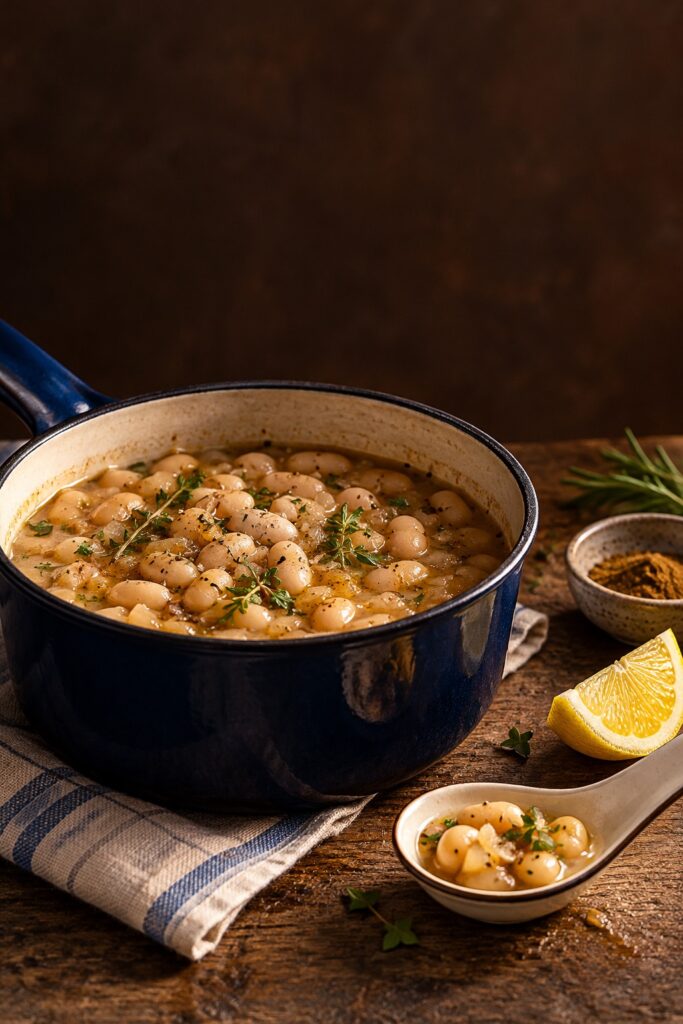
For a plain cooked bean dish, I’ll suggest two possible directions to illustrate the choice: onion and cumin with a little citrus at the end, or rosemary during cooking with parsley to finish. Choose one to explore rather than adding both and every other spice within reach.
Let herbs and spices meet the right amount of heat
Tender herbs such as parsley, basil and dill often suit a late addition; rosemary and thyme can tolerate a longer cooking stage. Wash fresh herbs under running water, dry them appropriately, and remove woody stems when needed. Illinois Extension explains fresh-herb timing.
Dried herbs are not identical to fresh leaves. A little dried herb can work in a simmered sauce, but a bowlful of fresh herbs cannot generally be replaced with a bowlful of dried flakes. Start modestly and let the flavor integrate.
For a recipe that heats spices in oil, have the next ingredient ready before beginning. Ground spices can scorch quickly. Fragrance is useful feedback; smoke is not a goal. Reduce heat rather than trying to intensify the flavor by blackening it.
Make room for browning
Wet mushrooms packed tightly into a pan may cook in their own released liquid before they brown. More space, a drier surface or a smaller batch can help more than turning the heat to maximum. Give suitable cut faces contact with the pan and check their progress instead of constantly stirring.
Browned residue can contribute flavor when loosened with an appropriate liquid. Burned, acrid residue contributes burned flavor. Add liquid carefully because a hot pan can spit and release steam; do not scrape a scorched layer into the dish simply because it is there.
Browning is a flavor and texture clue, not a safety test. Poultry still needs 165°F/74°C internally; other foods have their own minimum internal temperatures. A dark exterior does not establish a safely cooked center.
Try acidity in one spoonful
Take a little of the finished dish into a separate bowl and add a few drops of a suitable lemon juice or vinegar. Compare it with the original. If you prefer the change, add a small amount to the main dish, stir and reassess.
This works particularly well as a learning exercise with safely cooked beans. First settle their tenderness and liquid, then the main seasoning, then the acidic finish. If the beans are watery, crushing a few or reducing suitable liquid may matter more than another squeeze of lemon.
Acid does not remove salt. Unsalted additions can dilute an oversalted dish, but they increase its quantity and change the meal. Nor does lemon make an ordinary sauce shelf stable. Flavor adjustments never repair unsafe storage.
Leave yourself a useful note
“Carrots needed less lemon and more space on the tray” tells you what to change. “Dinner was bland” does not. Keep one observation, repeat the part that worked, and try the next adjustment separately. For more on the surface and center of roasted food, continue with roasting vegetables.
Food-safety temperatures and storage limits here follow US household guidance; follow applicable local guidance and product instructions.
MarGo! editorial feature · AI-assisted, in the MarGo! first-person voice. Not a personal experience or product test unless stated.