
Chicago weather taught me humility. Coming from Panama, I assumed a sunny spring morning meant warm, and then the wind off the lake hit. The city is one of the best places in the country to explore on foot, but what you wear makes the difference between a great walk and a miserable one.
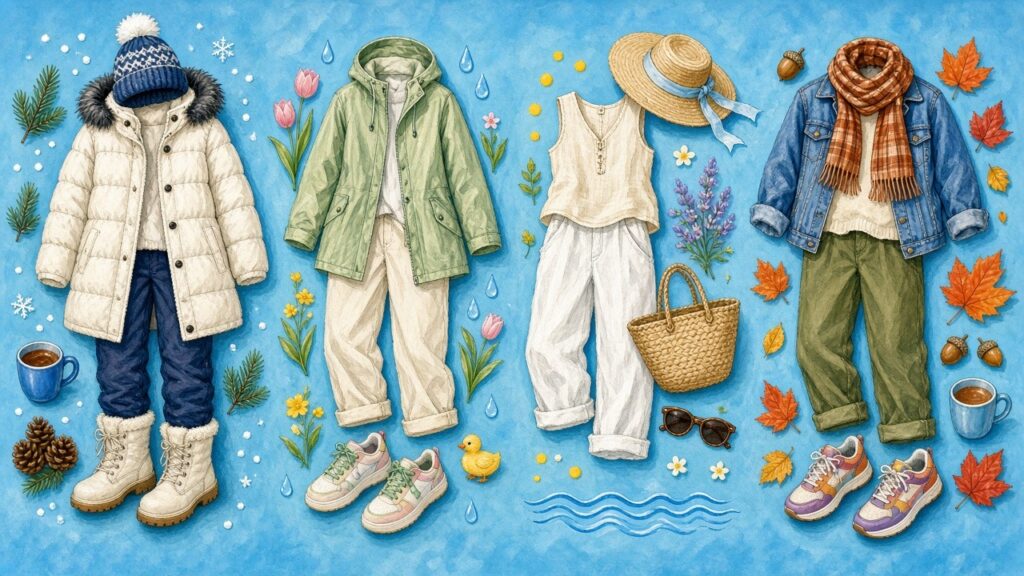
To dress for walking in Chicago, layer for every season and plan for wind, especially near the lake. Winter: insulated waterproof coat, thermal base layer, hat, gloves, scarf and waterproof boots with grip. Spring and fall: a light waterproof jacket over layers you can remove, plus a hat in your bag. Summer: breathable fabrics, sun protection and a light layer for the cooler lakefront. Year-round: comfortable, broken-in walking shoes with cushioning, and a small bag with water and essentials.
What to wear walking in Chicago: quick guide by season
| Season | Typical temps (°F) | Top | Bottom | Shoes | Extras |
|---|---|---|---|---|---|
| Winter (Dec–Feb) | Teens to 30s, colder with wind | Base layer + fleece + insulated waterproof coat | Lined pants or leggings under pants | Waterproof insulated boots with grip | Hat, gloves, scarf or neck gaiter |
| Spring (Mar–May) | 30s to 70s, swings fast | Layers + waterproof shell | Jeans or trousers | Waterproof sneakers | Umbrella or hood, light hat |
| Summer (Jun–Aug) | 70s to 90s, humid | Breathable tee or tank | Shorts, skirts, light pants | Cushioned breathable sneakers or walking sandals | Sunscreen, sunglasses, hat, light layer for the lake |
| Fall (Sep–Nov) | 70s down to 30s | Layers + light jacket | Jeans or trousers | Sneakers; boots late fall | Light scarf, gloves by November |
Temperatures are typical ranges; Chicago can surprise you in any month. Always check the forecast and the wind and “feels like” temperature.
Winter: layers, coat, boots, hat, gloves
The wind off the lake
The lake makes a huge difference. Walking along the lakefront or downtown streets between tall buildings, wind chill can make it feel 10 to 20 degrees colder than the actual temperature. Cover every bit of skin you can on very cold days.
The winter layering system
- Base layer: thermal top and leggings in merino wool or synthetic (avoid cotton next to skin; it holds sweat and makes you cold).
- Middle layer: fleece, wool sweater or light puffer.
- Outer layer: windproof, waterproof insulated coat that covers your hips. Longer is warmer.
Head, hands and feet
- Hat that covers your ears.
- Gloves or mittens (mittens are warmer); touchscreen liners underneath help with your phone.
- Scarf or neck gaiter you can pull over your nose.
- Wool socks.
- Boots: waterproof, insulated, with deep-tread soles. Sidewalks get icy and slushy, and salt stains ruin suede.
For more on the cold-weather lakefront, read the Chicago lakefront in winter.
Walking on ice and slush
- Take shorter steps and keep your weight over your feet (“walk like a penguin”).
- Watch for black ice near curbs, bridges and shaded corners.
- Slip-on traction cleats that stretch over boots add serious grip on icy days.
- Keep hands out of pockets so you can catch yourself.
- Salt and slush stain leather and suede; wipe boots with a damp cloth and a little vinegar-water mix when you get home.
Dressing for early dark
In winter, the sun sets before 4:30 p.m. If you walk after work, add something reflective or a small clip-on light, especially on the lakefront and in parks where paths are less lit.
Spring: rain, wind and sudden cold
Spring is Chicago’s trickiest season. It can be 70°F on Tuesday and snowing on Thursday. Near the lake, it’s often much cooler than inland neighborhoods in spring because the water is still cold.
- Waterproof shell with a hood over a sweater or fleece.
- Layers you can tie around your waist or stuff in a bag.
- Water-resistant shoes; puddles are everywhere.
- Packable hat and light gloves for March and April.
Summer: heat, humidity and lake breeze
Chicago summers can be hot and humid, with heat indices above 90°F.
- Breathable fabrics: linen, cotton blends, moisture-wicking athletic wear.
- Sun protection: sunscreen, sunglasses, a hat. The lakefront has stretches with little shade.
- A light layer: the lake breeze can drop temperatures quickly in the evening.
- Hydration: carry water.
- Comfortable shoes: your feet swell in heat; avoid brand-new shoes for long walks.
Thunderstorms can roll in fast in summer. If you hear thunder on the lakefront, head indoors.
Fall
Fall is the best walking season: crisp air, color in the parks, fewer crowds. September can still feel like summer; by November you’ll want gloves.
- Light jacket (denim, utility or quilted) over a tee or sweater.
- Scarf that doubles as a layer.
- Sneakers or ankle boots.
- A packable rain jacket for October showers.
Best shoes for walking Chicago
Chicago’s grid makes it easy to walk miles without noticing. Your shoes matter more than anything else you wear.
| Shoe type | Best for | Look for |
|---|---|---|
| Cushioned walking or running sneakers | Most of the year, long sightseeing days | Supportive midsole, roomy toe box |
| Waterproof sneakers | Spring, fall rain | Gore-Tex or water-resistant upper |
| Insulated winter boots | Snow, ice, slush | Grip soles, waterproofing, warmth rating |
| Walking sandals with straps | Summer | Arch support, secure heel strap |
| Ankle boots | Fall nights out | Low, stable heel, cushioned insole |
Avoid flip-flops for long walks and break in new shoes before a big day. If you walk the Lakefront Trail, it’s paved, so sneakers are perfect.
What to carry
- Water bottle
- Phone and portable charger (cold drains batteries faster)
- Transit card or phone wallet for CTA trains and buses
- Sunscreen and lip balm (yes, in winter too)
- Small umbrella or packable rain jacket
- Hand warmers in winter
- Tissues and hand sanitizer
- A crossbody bag or small backpack that keeps hands free
Knowing where restrooms are helps on long lakefront walks; see Chicago lakefront bathrooms.
Outfit ideas
Sightseeing downtown (spring/fall): dark jeans, tee, sweater, waterproof jacket, cushioned sneakers, crossbody bag, packable hat.
Lakefront walk (summer): moisture-wicking leggings or shorts, breathable tank, light zip jacket, sneakers, sunglasses, cap, water bottle.
Lakefront walk (winter): thermal leggings under fleece-lined pants, base layer, fleece, long insulated coat, balaclava or gaiter, mittens, insulated boots.
Night out after walking: dark jeans or a midi skirt with tights, a nice top, ankle boots with a low heel, a warm coat. Chicago restaurants are casual-friendly; you don’t need to change completely.
Packing list for visitors
| All seasons | Winter add-ons | Summer add-ons |
|---|---|---|
| 2 pairs comfortable walking shoes | Insulated waterproof boots | Walking sandals |
| Waterproof jacket | Long insulated coat | Sun hat |
| Layering tops and a sweater | Thermal base layers | Breathable tops |
| Jeans or comfortable pants | Hat, gloves, scarf | Shorts or skirts |
| Crossbody bag or small backpack | Hand warmers | Sunscreen |
| Reusable water bottle | Wool socks | Light evening layer |
| Portable charger | Lip balm | Sunglasses |
Planning your route? See my favorite Chicago walks.
Layering cheat sheet by temperature
| Temperature (feels like) | Base layer | Mid layer | Outer layer | Accessories |
|---|---|---|---|---|
| Above 75°F | Breathable tee or tank | None | None | Sunglasses, cap, sunscreen, water |
| 60–75°F | Tee or long sleeve | Light sweater or overshirt (carry it) | Optional windbreaker by the lake | Sunglasses |
| 45–60°F | Long sleeve | Fleece or sweater | Light jacket or windbreaker | Light scarf |
| 32–45°F | Long sleeve, light thermal | Fleece or wool sweater | Insulated, wind-resistant jacket | Hat, gloves |
| 15–32°F | Thermal top and leggings | Fleece or down vest | Warm, windproof winter coat | Hat, gloves, scarf, wool socks |
| Below 15°F | Heavy thermal | Fleece plus vest | Long down or parka with hood | Insulated mittens, balaclava or neck gaiter, warm boots |
Always check the wind chill, not just the temperature, and add a layer if you’ll be on the lakefront.
Neighborhood-by-neighborhood notes
- The Loop and Riverwalk: tall buildings funnel wind between them; a windproof outer layer matters even on mild days. Stairs to the Riverwalk can be slick in winter.
- The lakefront: often several degrees cooler than inland in spring and summer, and much windier. See the Lakefront Trail walking guide and the lakefront in winter.
- Neighborhood food walks: expect lots of stop-and-go and indoor time, so wear layers you can peel off easily. See Chicago food neighborhoods.
- The 606 and neighborhood parks: less wind than the lakefront but little shade in summer; bring sun protection and water.
For routes, see best Chicago walks and how long is the Lakefront Trail.
Fabrics that work (and don’t)
| Fabric | Pros | Cons | Best for |
|---|---|---|---|
| Merino wool | Warm when damp, resists odor | Pricier | Base layers, socks, hats |
| Synthetic (polyester, nylon) | Wicks sweat, dries fast | Can hold odor | Base layers, activewear |
| Fleece | Warm, light, cheap | Wind passes through | Mid layer |
| Down | Very warm for its weight | Loses warmth when wet | Winter coats |
| Cotton | Comfortable, breathable | Stays wet and cold | Summer only; avoid in cold rain or snow |
Walking in the dark
Winter sunsets in Chicago come early, so many walks end after dark. Add something bright or reflective (a vest, a clip-on light or reflective bands on your jacket or bag), stay on lit paths, and let someone know your route. Safety tips for the trail are in is the Lakefront Trail safe.
Indoor backups for bad-weather days
When the wind chill or ice makes outdoor walking miserable, walk indoors instead. Options include a Chicago Park District indoor walking track, museums and large shopping centers (check hours and policies), or the pedway connecting buildings in the Loop on weekdays. If you’re new to walking for fitness, see is Zumba better than walking for another way to move indoors.
Bathroom and water stops
Long walks are more comfortable when you know where to stop. Lakefront options are listed in Chicago lakefront bathrooms. Carry a water bottle year-round; you still sweat under winter layers.
Dressing for a mixed indoor-outdoor day
Visitors often walk between museums, shops and restaurants all day. Choose an outer layer that’s easy to carry or tie around your waist, a crossbody bag with room for a hat and gloves, and comfortable shoes you can wear for eight hours. Overheating indoors in a heavy sweater is as common as getting cold outside.
FAQ
What shoes are best for walking around Chicago?
Cushioned, broken-in sneakers for most of the year; waterproof sneakers in spring and fall; insulated, waterproof boots with good grip in winter.
How do I dress for wind by the lake?
Wear a windproof outer layer, cover your ears and neck, and add a layer you can zip up. It’s often noticeably cooler and windier at the lake than a few blocks inland.
What should I wear walking in Chicago in spring and fall?
Layers: a tee, a sweater or fleece, and a waterproof jacket, plus comfortable water-resistant shoes. Keep a hat and light gloves in your bag.
Do I need an umbrella or a rain jacket?
A rain jacket with a hood is better. Chicago wind turns umbrellas inside out. A small umbrella is a nice backup in summer showers.
What do I carry on a long city walk?
Water, phone and charger, transit card, sun protection, a rain layer and, in winter, hand warmers. Keep it light in a crossbody bag or small backpack.
Chicago rewards people who walk it. Dress in layers, respect the lake wind and choose shoes that let you keep going one more block.